
Bleecker Street is a famous street in New York City. It is often called an alternative shopping and cultural area because it is smaller and has a long history. The street is a long space that has shops, buildings, and everyday city life all in one place. It is important because it is diverse, easy to get to, and can be used by locals for a long time, not because it is a luxury item.
City Structure and Location
Bleecker Street goes through a number of neighborhoods in lower Manhattan. The street runs east to west and connects areas where people live with areas where businesses are. Because it is long, it can change slowly instead of quickly.
Most of the buildings on the street are low–rise. Many of the buildings were built during earlier times of urban growth. The facades are all the same height, but they come in different colors and materials. This makes things look the same without being the same.
The street is a good width. Sidewalks let people walk around without getting stuck. There is traffic, but it doesn’t take up most of the space. This balance works for both locals and visitors.
Shops and cafes often use the ground floor. The upper floors have either apartments or offices. This building serves many purposes and keeps the street busy all day.
Commercial Character and Retail Environment
Bleecker Street is not like other big shopping streets. Stores are smaller and focus on fewer things. Instead of having a lot of different products, many stores focus on certain types of items.
Many retail spaces are run by their own people. The way a store is set up shows who you are. Window displays are easy to use and work. Compared to busy commercial areas, branding is still limited.
Clothes, books, music, food, and lifestyle items are all examples of the kinds of products that are available. Prices are different so that people with different incomes can afford them. This variety keeps foot traffic steady.
The street doesn’t depend on big chains to do well. Smaller businesses can work alongside well–known brands. This mix keeps things from getting boring and helps the economy stay stable over time.
Some important things about retail are:
- Small storefronts with a clear focus
- Different types of products and prices
- Independent businesses next to well–known names
- Focus on the experience of walking in
Cultural Role and Interacting with Others
Bleecker Street is a place where people can meet and talk. People use it for everyday needs and to hang out with friends. Cafes and places to eat make people want to come back and stay for a short time.
There has been music and literature in the area for a long time. In the past, people thought of the street as a place where creative people lived. This background still affects who you are now, even as functions change.
The activity on the street changes throughout the day. Mornings are quiet and local. Retail activity goes up in the afternoons. Evenings are more about eating and socializing.
People still act casually in public. There isn’t a clear line between visitors and residents. This openness helps create a sense of community in the city.
Visual and architectural features
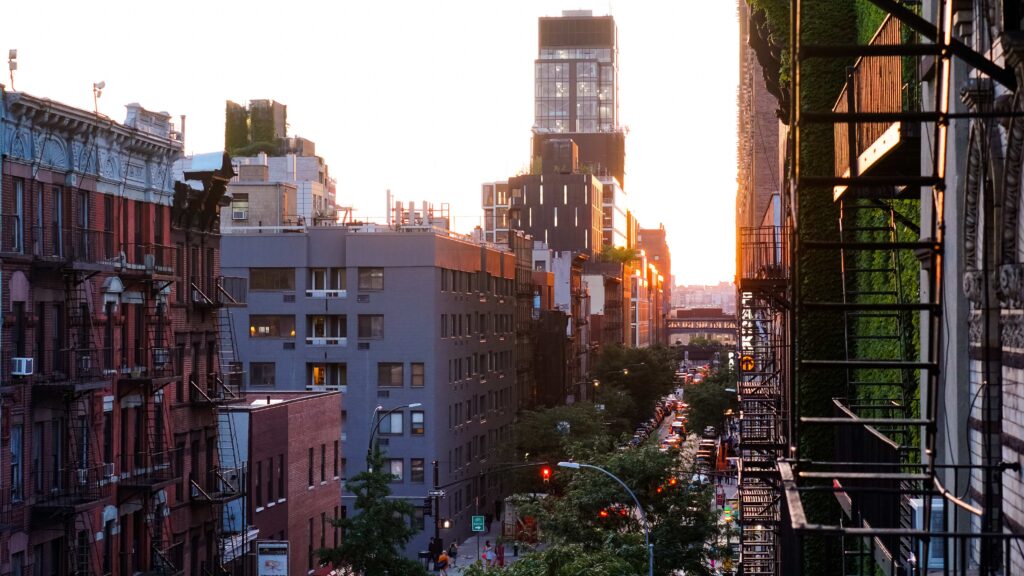
The architecture along Bleecker Street shows that it has been built up over time. There are a lot of brick buildings. There aren’t many decorative elements. Windows are tall and narrow.
Renovations keep the original structure as much as possible. Modern additions are still subtle. The size of signs is limited. Lighting helps you see without being too bright.
Details at street level include awnings, small signs, and seating outside. These things add texture without making the space feel crowded.
The repetition of storefronts and doors creates a visual rhythm. Changes in color and material, not shape, make things look different.
Access and Daily Use
You can get to the street by public transportation. There are stations nearby that keep things moving. Walking is still the main way to get around the street itself.
Its location makes it easy to fit into daily routes. People can walk through without making any special plans. This functional role makes it more useful than just shopping.
There are stores on the street that sell food, personal care items, and other things people need every day. This makes people less dependent on faraway shopping centers.
The street is good for slow movement. You can browse without feeling rushed. This is different from other parts of the city where stores are always busy.
Stability and Adaptation in the Economy
Bleecker Street’s economy shows that it can change. There is store turnover, but it is still moderate. Instead of changing the whole profile, new businesses often just replace similar functions.
Some areas are feeling the pressure of rental prices, but there is still a lot of diversity. Flexible use is possible in smaller spaces. Shops that are only open for a short time pop up during certain times of the year.
Long–term operation is possible because of local demand. In addition to visitors, businesses need repeat customers. This dual support makes things stronger.
Some of the economic traits are:
- Moderate business turnover
- Demand from both locals and tourists is balanced.
- Small unit sizes that let you be flexible
- Core services that are there for a long time